First Edges, First Stops, First Wins

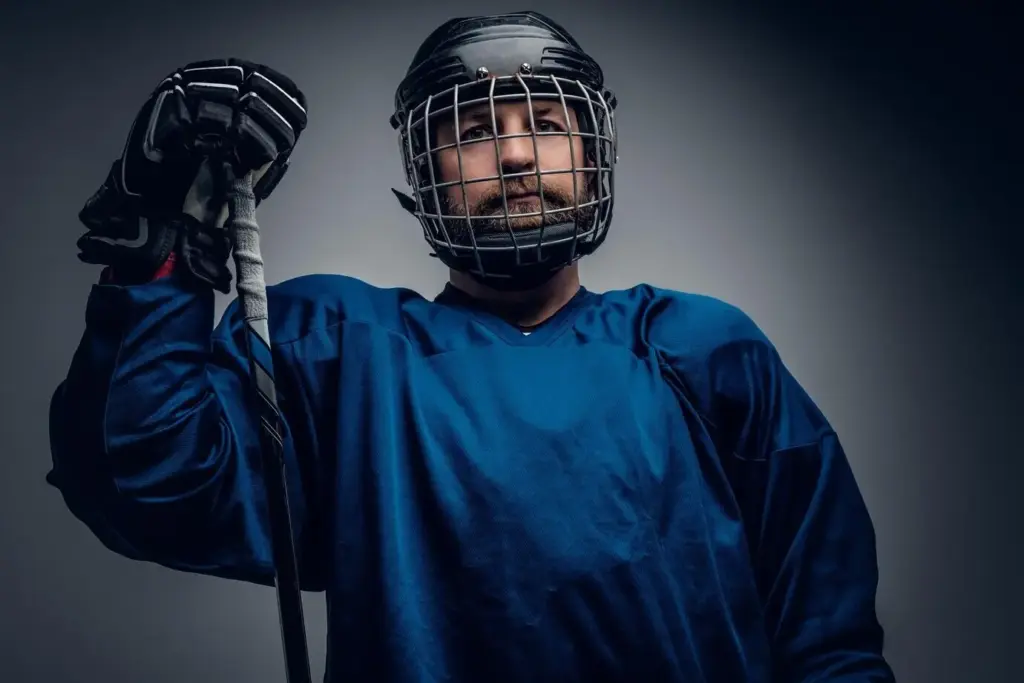
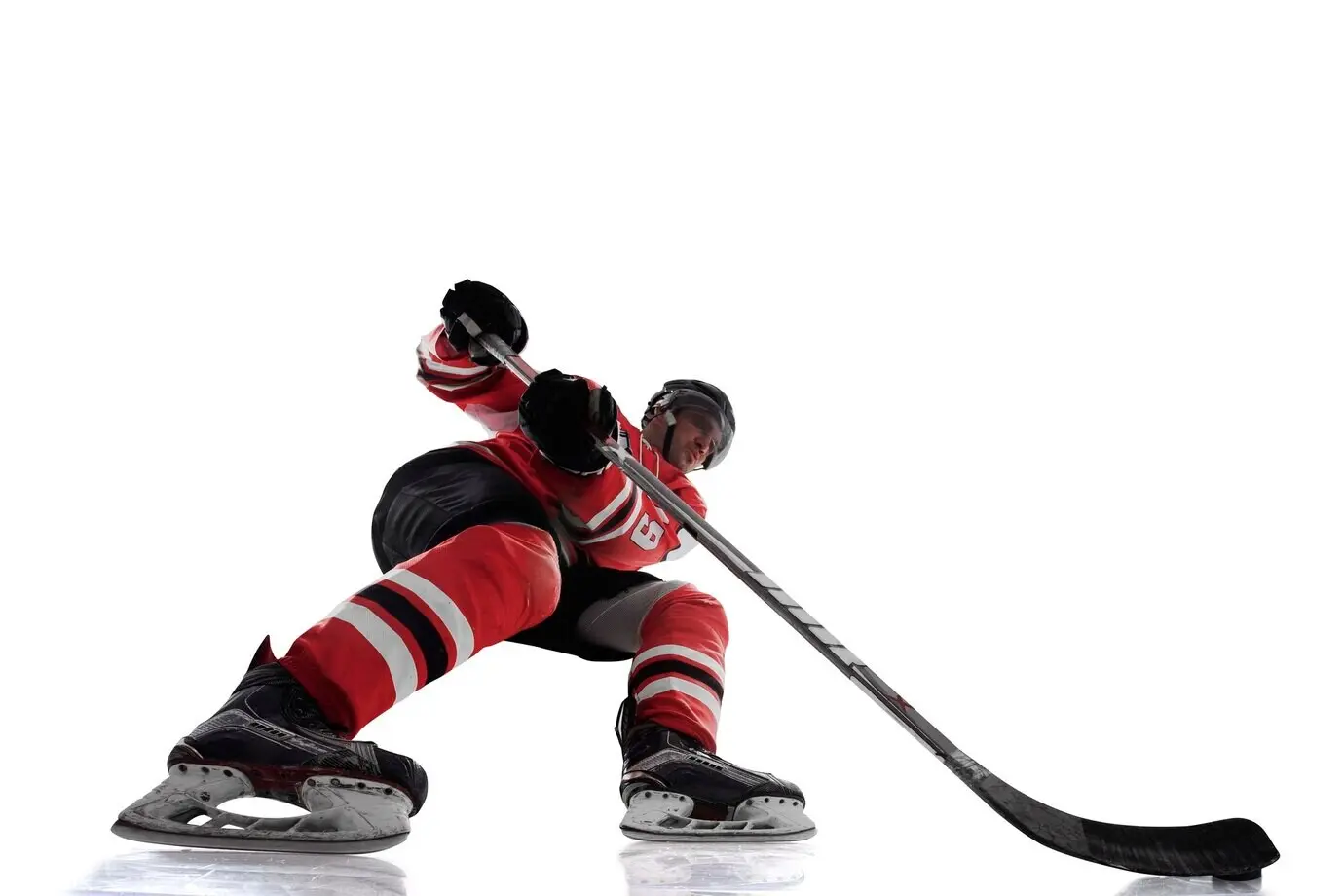
Today we focus on skating basics for new players, spotlighting edge control and stopping drills that remove guesswork from every glide. Expect clear cues, safe progressions, and confidence-building routines for inside and outside edges, plus snowplow, T-stop, and early hockey-stop skills. You’ll get short, repeatable plans, common fixes, and encouragement rooted in real rink stories, helping you feel steady, safe, and ready to accelerate without fear when the next shift begins.

Balanced Stance That Makes Every Edge Easier
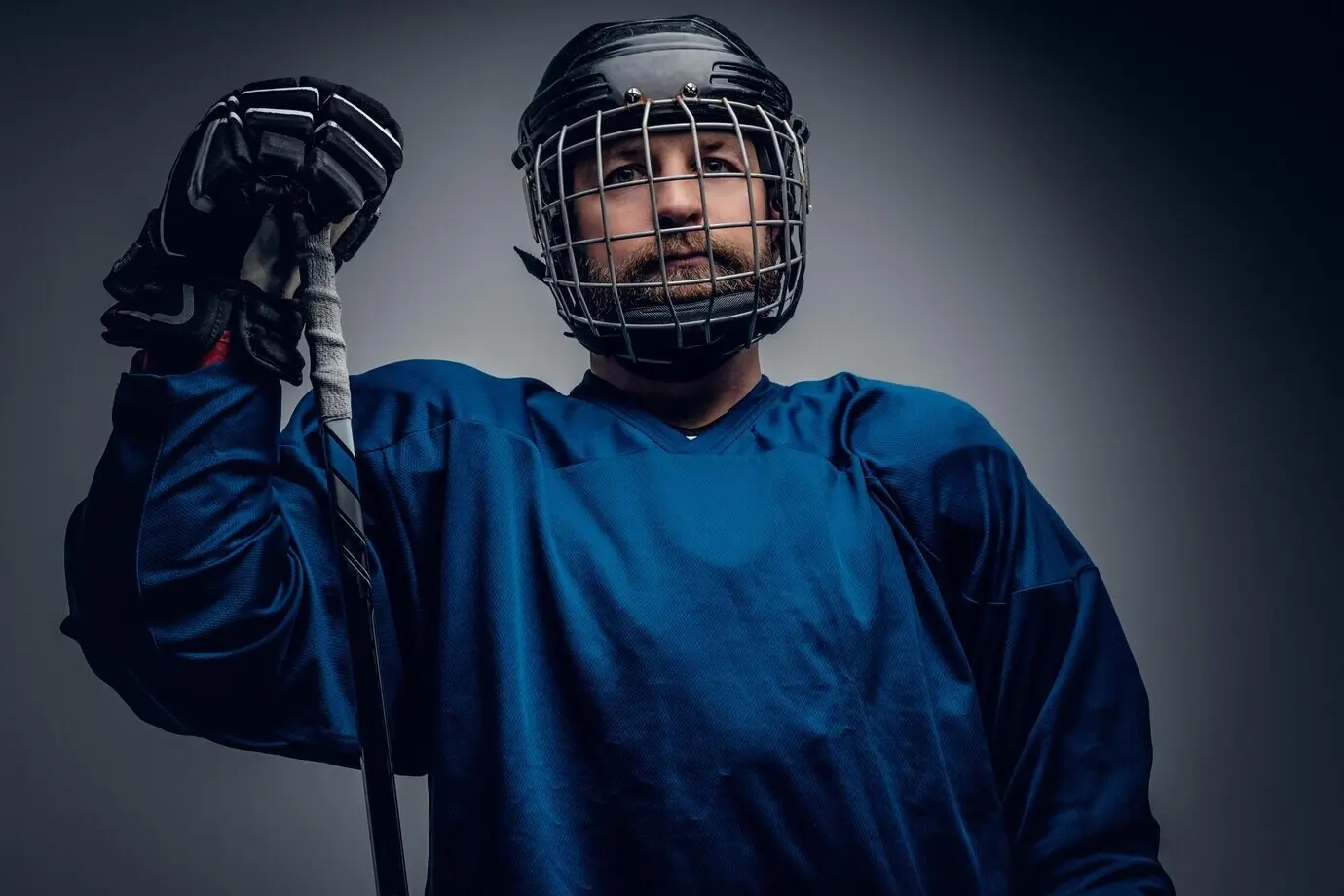
Balance is the quiet superpower behind every smooth turn and dependable stop. Bend the knees so laces disappear, keep hips over arches, relax shoulders, and point your chest where you want to travel. New players often change everything at once; instead, anchor posture first. With that stable base, edges bite predictably, pressure feels controllable, and stopping drills stop being scary experiments and start becoming reliable skills you can build daily.

Mastering Inside and Outside Edges

Inside and outside edges are your steering wheel and brakes combined. Leaning into the correct edge creates grip; managing pressure and timing keeps that grip predictable through turns and stops. New players often over-lean or twist shoulders, losing blade contact. We’ll isolate edges with simple progressions, then layer speed and transitions. By sensing how the edge bites, each stop becomes deliberate rather than improvised or lucky.

One-Foot Edge Rolls

Start on two feet, then gradually shift to one-foot holds, first inside edge, then outside. Keep the core quiet and the free foot hovering low, toes relaxed. Aim for short, controlled rolls, not heroic distances. Each second counted is confidence stored. When you can feel the edge gripping like a gentle rail, your body learns the lean angle that later stabilizes T-stops and early hockey-stop attempts.

S-Curves and Edge Switches

Trace slow S-curves using soft inside-to-outside edge transitions. Let the hips follow the arc while shoulders stay calm and forward. Smooth switches teach edge release without sliding out. Consider singing a steady rhythm or counting strokes during transitions to keep pace even. This rhythmic control is exactly what steadies the entry into snowplow pressure and prevents sudden skids when nerves spike mid-drill.
Stopping Without Panic: Reliable Options for New Skaters

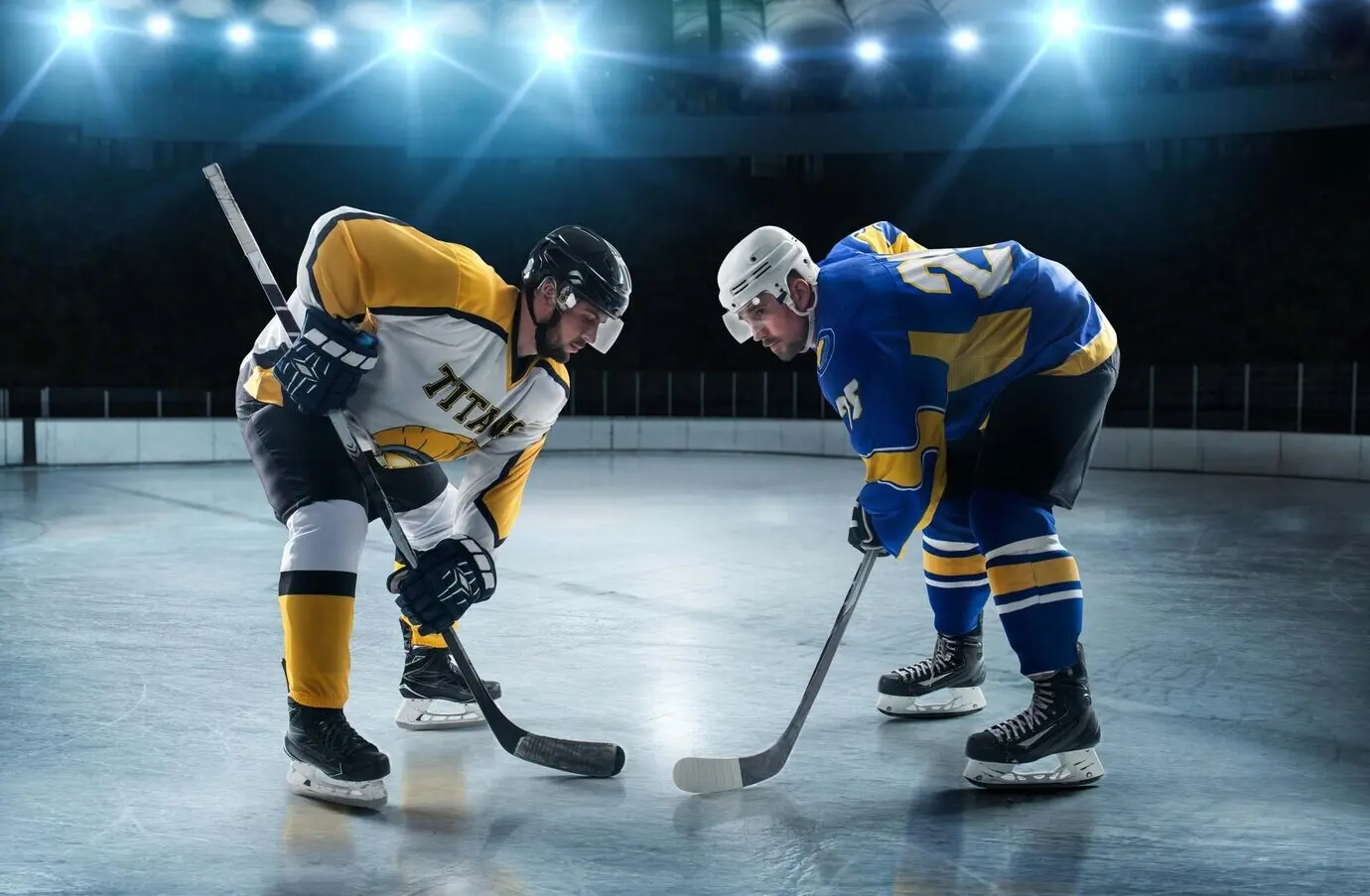
Stopping is confidence, courtesy, and safety rolled together. We’ll build three dependable options: the snowplow for early control, the T-stop for directional braking, and first steps toward the hockey stop for lateral authority. Each has unique cues, pressure paths, and speed limits. Understanding what to choose, and when, prevents desperate scrapes. With repeatable setups and calm body positioning, you’ll replace panic with decisions you trust under real game pressure.

Practice Plans: Short, Focused Sessions That Build Skill Fast

10-Minute Edge Primer
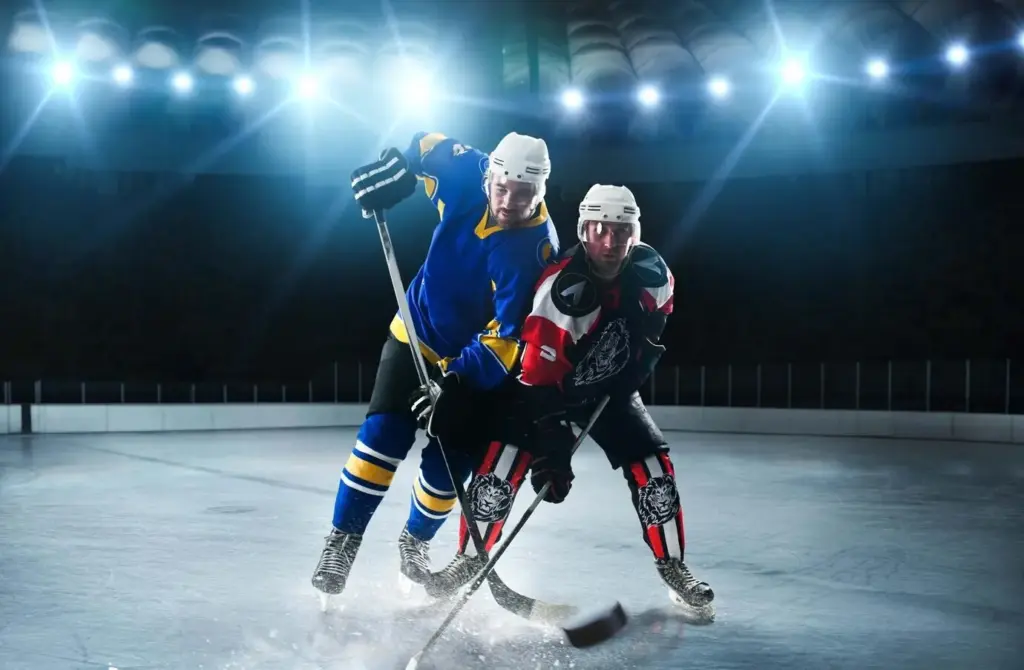
Start with one minute of knee pulses, then two minutes of two-foot edges, eyes up. Add two minutes of one-foot rolls each side, followed by gentle S-curves for rhythm. Finish with two calm snowplow reps to connect balance and braking. This primer wakes up ankles, centers weight over the rocker, and prepares your nervous system for clean, patient entries into whichever stopping skill you practice next.

Stop-and-Go Interval Set

Skate blue line to blue line at conversational speed, execute a chosen stop, reset posture, then glide away. Rest thirty seconds and repeat six times. Focus on arrival cues: soft knees, eyes up, hips stacked, hands forward. Count pressure seconds during each stop to track consistency. Intervals train decision-making under mild fatigue, so your first stop in a game feels practiced rather than improvised or rushed.

Solo and Partner Drills for Accountability
Alone, film a side angle for posture feedback; with a partner, alternate reps and call each other’s cues aloud. Agree on two focus points per session to avoid overload. Share progress notes after, celebrating clean entries or smoother releases. Accountability keeps momentum, and saying cues out loud turns ideas into actions. Post your best rep or biggest lesson in the comments to encourage other new skaters.

Troubleshooting: Fixes for Wobbles, Scrapes, and Slide Failures

Mistakes are messages. Wobbly entries often start with stiff ankles or collapsed hips, while scraping noises hint at toe pressure or twisted shoulders. Sliding without slowing can mean over-speed or under-lean. We’ll map common symptoms to quick tests and practical fixes. Approach each error like a curious coach, not a judge. With playful experimentation and patient repeats, problems soften into patterns you can steadily redirect toward clean control.

Gear, Safety, and Mindset for Steady Progress

Right gear and smart habits accelerate learning. Properly fitted skates with recent sharpening help edges grip predictably. Gloves protect during early spills, and a helmet preserves confidence when courage outruns skill. Respect rink traffic and communicate intentions with glances and hand signals. Track sessions, celebrate consistency, and rest when ankles fatigue. A thoughtful setup and supportive community create a runway where new players improve without unnecessary setbacks.

Skate Fit and Sharpening Basics

A snug heel lock prevents slop that blurs edge feedback. Laces should secure the ankle without cutting circulation, and an appropriate hollow supports your level and ice conditions. If edges feel dull or slides lengthen unexpectedly, schedule a sharpening. Break in changes with slower sessions. Good fit turns technique notes into clear sensations, letting your brain map posture to blade response faster and with fewer confusing signals.

Protective Gear and Rink Etiquette

Wear a helmet, gloves, and optionally padded shorts while learning stops. Skate predictably, glance over shoulders before drills, and avoid setting stops across traffic lanes. Yield to faster skaters, and communicate with simple gestures when starting or ending a rep. Safety builds confidence, and confidence invites repetition. The more relaxed you feel in the shared space, the more brainpower you can devote to edges and pressure control.
Zinukapumeritunita
Privacy Overview

This website uses cookies so that we can provide you with the best user experience possible. Cookie information is stored in your browser and performs functions such as recognising you when you return to our website and helping our team to understand which sections of the website you find most interesting and useful.