
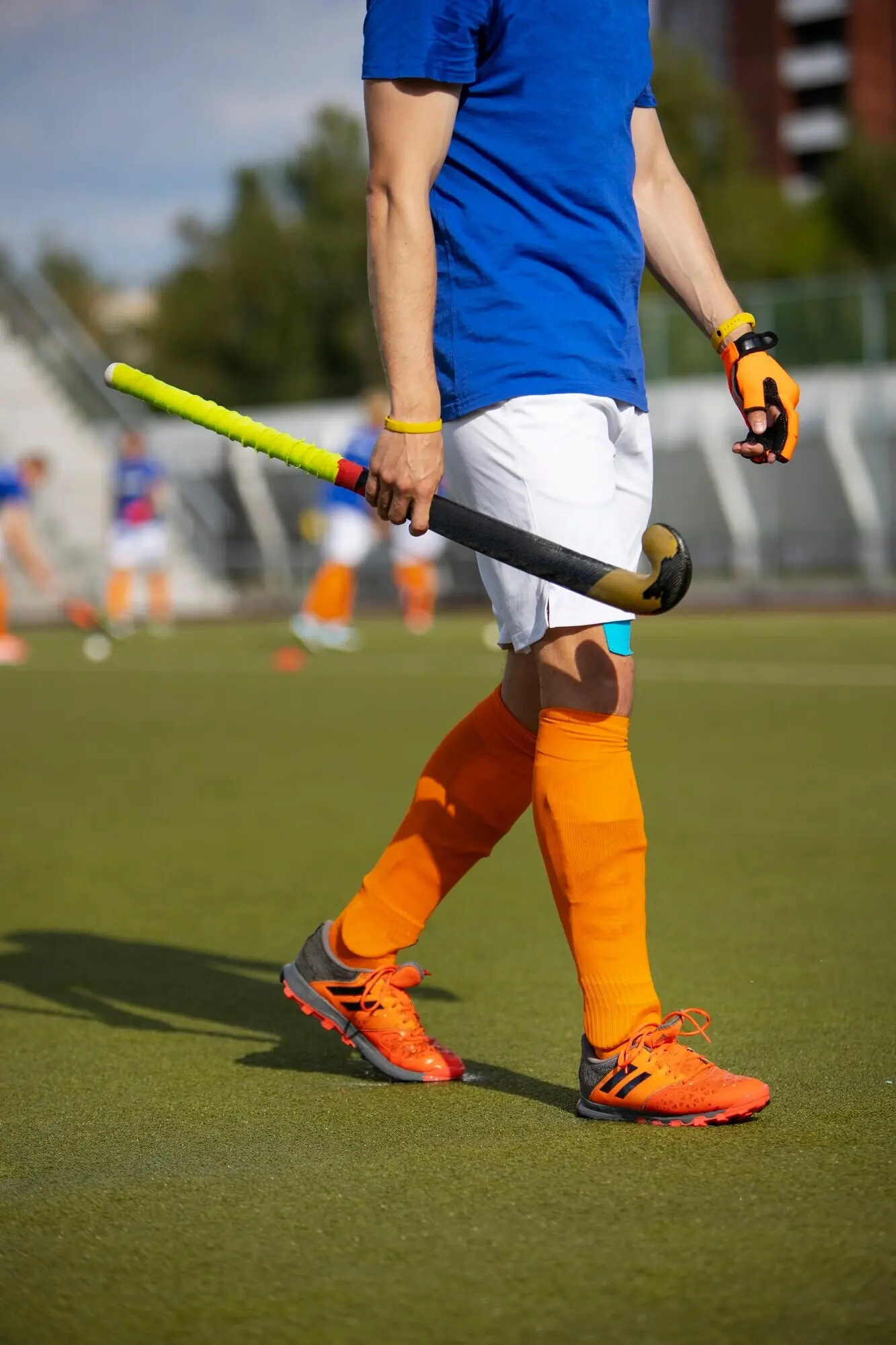
Welcome to the Ice: Your Friendly Guide to Fitting Right In

Today we focus on rink etiquette and locker room culture for hockey newcomers, offering simple habits, clear expectations, and encouraging stories that smooth your first skates. From saying hello at the front desk to sharing benches respectfully and communicating on the ice, you will learn small behaviors that earn big smiles, safer sessions, and quick acceptance from teammates and staff. Bring your curiosity, a sense of humor, and a willingness to listen, and you will fit in faster than you think.

Stepping Inside: First Moments That Set the Tone

First impressions at the rink matter more than you might expect. Arrive a little early, notice posted schedules and arrows on the floor, and keep your gear close to your body so hallways stay clear. A friendly nod to staff and skaters helps everyone relax. When unsure, ask the pro shop or a coach rather than guessing. These small, calm choices set a respectful example and ease you into the community before your skates even touch the ice.

Gear-Up Grace: Navigating Shared Spaces Without Stress

Locker rooms are communal, and your setup should reflect that. Choose a spot that leaves others room to move, keep extra gear in your bag until needed, and place wet items on a towel rather than across the aisle. Tape scraps and broken laces belong in a bin, not the floor. Respectful space use prevents spills, lost edges, and frayed tempers. With calm organization, you will feel prepared and your neighbors will appreciate your mindful approach.

Choose a Spot, Keep It Small

Pick a bench space roughly the width of your hips and bag, then stick to it. Spread out only as much as necessary to lace up safely. Avoid placing elbow pads or helmets on someone else’s stall, and store sticks with the blade down to prevent tripping. If the room is crowded, offer a few inches to the latecomer. These tiny adjustments demonstrate awareness and help everyone gear up without clashing elbows or stepping on fresh steel.
Tape, Laces, and Tools

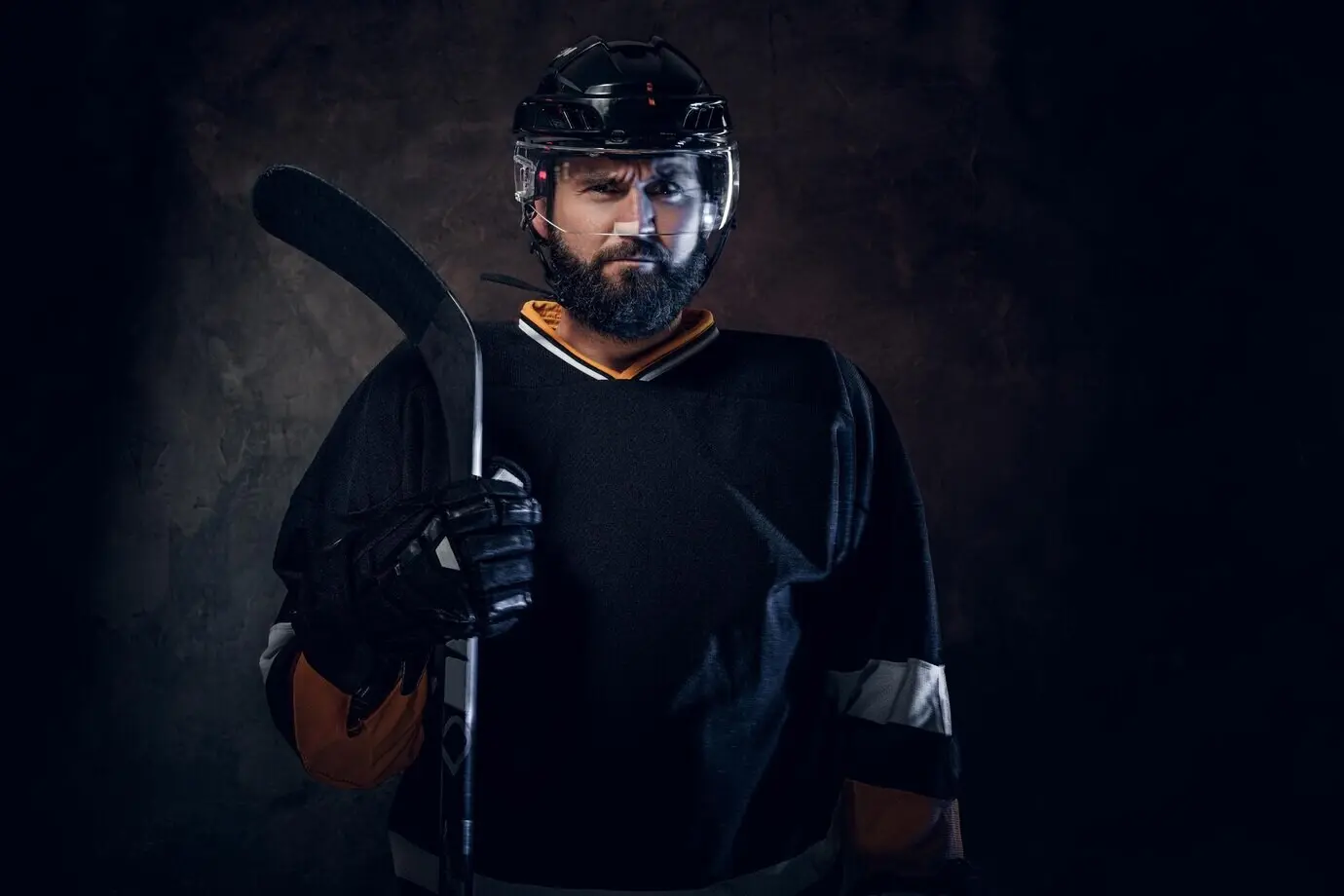
Bring your own tape, scissors, and spare laces whenever possible. If you borrow, return promptly and say thanks. Cut tape over your own bag or a trash can to avoid sticky floors that collect snow and dirt. Keep a small zip pouch for tools so you are not rummaging during busy moments. Preparedness limits delays, reduces mess, and shows you respect the group’s time, especially when the next session is waiting to enter the room.
Hygiene Everyone Appreciates

Rinks can be chilly, but sweat still accumulates quickly. Air out gear after sessions, use deodorant before suiting up, and stash used base layers in a sealed bag. Never wring socks onto the floor or spit in the room. If you shower, sandals are smart, and you should leave the area cleaner than you found it. Fresh air and tidy habits boost morale, reduce odors, and help teammates feel comfortable sharing tight quarters day after day.
On-Ice Courtesy: Flow, Drills, and Safe Communication

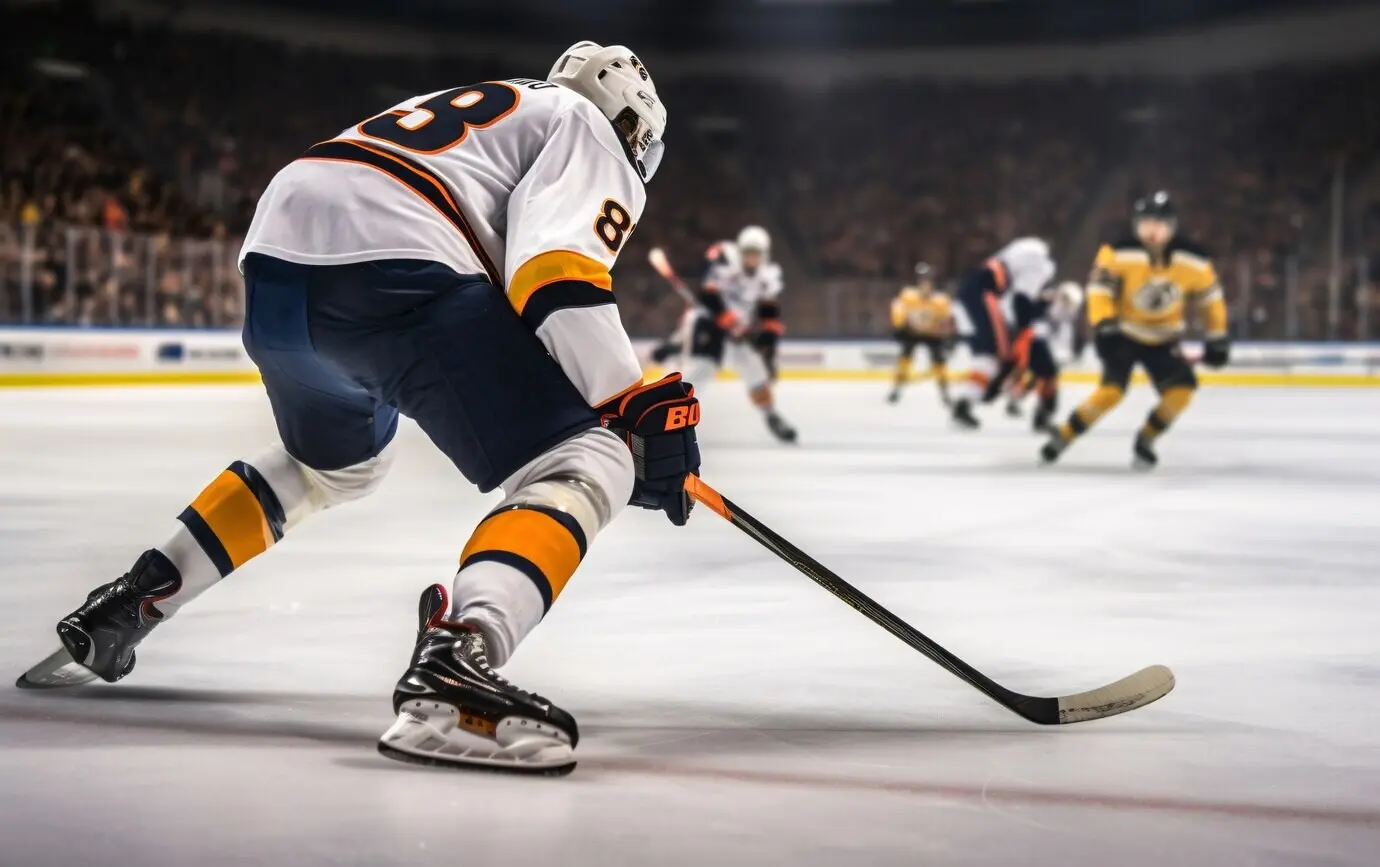
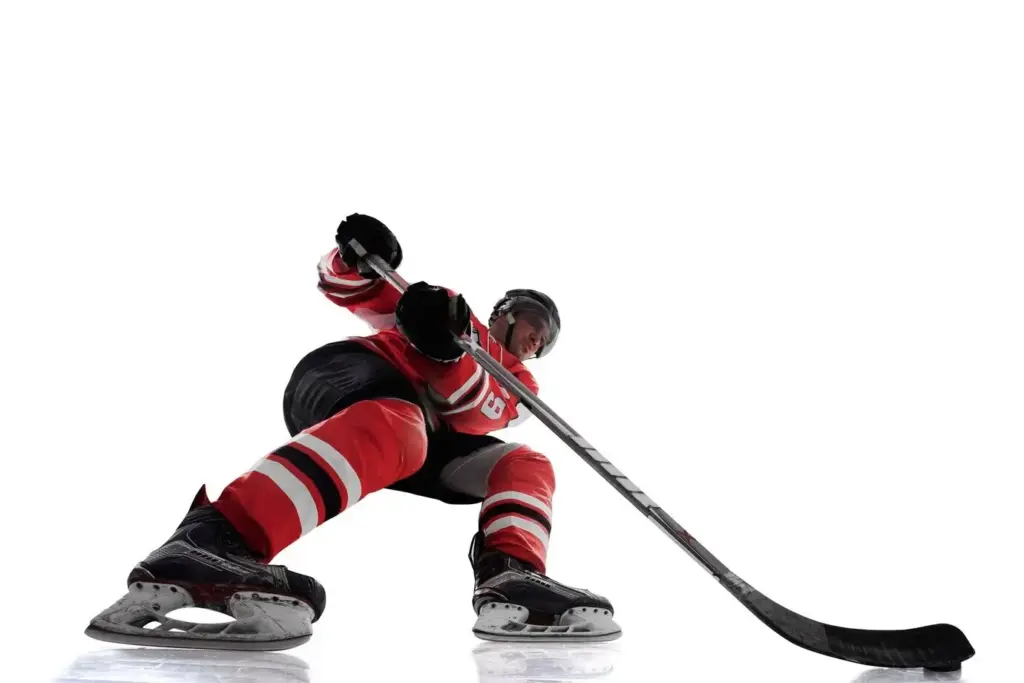
Once you step onto the ice, focus on predictable movement. Join drills at the end of the line, look over your shoulder before crossing lanes, and yield to faster skaters during open sessions. Call heads up for errant pucks, and keep shots low around traffic. If a coach whistles, stop quickly and listen. These small choices prevent collisions, build trust, and make ice time more productive for the entire group, whether they are brand new or seasoned veterans.

Locker Room Culture: Respect, Inclusion, and Boundaries

Great teams are built on trust. Use inclusive language, introduce yourself to new faces, and be mindful that players of different ages, backgrounds, and comfort levels share the same space. Ask before moving someone’s gear or playing music. If you joke, punch upwards, not downwards, and never make comments about bodies or equipment cost. Thoughtful boundaries create a place where everyone learns quickly, laughs freely, and looks forward to lacing up again tomorrow.

Conversation with Care

Keep talk positive and welcoming. Swap stories about favorite saves or funny wipeouts, not gossip or putdowns. Avoid teasing about skill level or gear brands, and remember that sarcasm can miss with newcomers. When in doubt, invite perspectives: What helped you last month? Open questions spark helpful tips and reduce nerves. A respectful tone invites mentorship, reveals unspoken norms, and helps fragile confidence grow into steady presence within a few sessions.

Phones and Photos

Cameras in shared spaces demand consent. Many rinks ban filming in locker rooms altogether, and for good reason. Ask before snapping a post-skate photo in hallways, and never record without explicit permission. If minors are present, be extra cautious and defer to facility rules. Put your phone away during gear changes so trust remains intact. Protecting privacy signals maturity, reassures teammates, and allows everyone to focus on the game rather than worrying about being on display.

Music, Smells, and Space

Keep music at a volume that still allows conversation, and pick playlists that avoid hateful language. Go easy on heavy colognes or sprays in tight rooms, and check for scent-sensitive teammates. Sit shoulder to shoulder, not elbow in ribcage, and rotate bench space when someone needs to pass. These small, considerate choices keep the room breathable and cooperative. Comfort multiplies quickly when people feel their senses and personal space are respected during busy turnarounds.

After the Skate: Cleanup, Gratitude, and Community

Leave No Trace, Leave Good Will

Before exiting, scan your bench for water puddles, tape peels, and broken lace tips. Wipe surfaces with a towel, sweep debris into a bin, and tuck gear neatly for the next group. People notice the player who keeps things tidy. That reliability becomes a quiet calling card, earning quick trust, easier equipment shares, and faster answers the next time you need to find a spare mouthguard or confirm which door your group uses.

Thank-Yous That Build Bridges

A sincere thank you after practice takes ten seconds and travels far. Staff remember the skater who smiles and appreciates the work behind smooth ice, organized sessions, and safe buildings. Coaches respond warmly to quick feedback and thoughtful questions. If you learned something helpful, say so specifically. Gratitude invites mentorship and opens doors to drill explanations, group chats, and future scrimmage spots. Relationships grow from small, consistent expressions of respect, not grand speeches or flashy plays.

Small Rituals, Big Belonging

Create tiny routines that bond you with others: share a roll of stick tape, refill water for a teammate, or volunteer to collect pucks when energy dips. These rituals signal reliability and lighten the load for everyone. Over time, people will save you a bench spot, offer sharpening tips, and recommend clinics you would love. Belonging does not require years; it thrives on steady presence, helpful actions, and a smile at the right moment.

Handling Nerves: Confidence Without Ego

Introduce Yourself in One Breath

Prepare a quick opener: Hi, I am Alex, new to adult clinics, still working on tight turns. That single sentence invites names, tips, and calm conversation. It also prevents overexplaining your skill level or apologizing for everything. When people know what you are practicing, they can create space or offer cues during drills. Clear, friendly introductions reduce pressure, focus your goals, and make the next interaction easier before the puck even drops.

Mistakes Happen, Learn Fast

Everyone falls, whiffs, and flubs changes. The fastest way forward is simple: acknowledge it, ask one useful question, and try again within minutes. Keep your voice relaxed and your eyes up. I watched a beginner immediately reset after tripping a cone, then nail the drill on the next rep. That attitude impressed the coach more than any snapshot highlight. Learning quickly, safely, and publicly builds trust and proves you belong on the same sheet.

Competitive Yet Considerate

Bring effort, not ego. Skate hard to the whistle, then offer a tap and a good play compliment when someone makes a smart read. If a puck battle gets physical, control your stick and body, and check in afterward. Compete to elevate the whole group, not to humiliate. Coaches remember players who balance intensity with respect. That blend keeps sessions fun, safe, and developmental, ensuring you are invited back and welcomed in any locker room.
Zinukapumeritunita
Privacy Overview

This website uses cookies so that we can provide you with the best user experience possible. Cookie information is stored in your browser and performs functions such as recognising you when you return to our website and helping our team to understand which sections of the website you find most interesting and useful.