
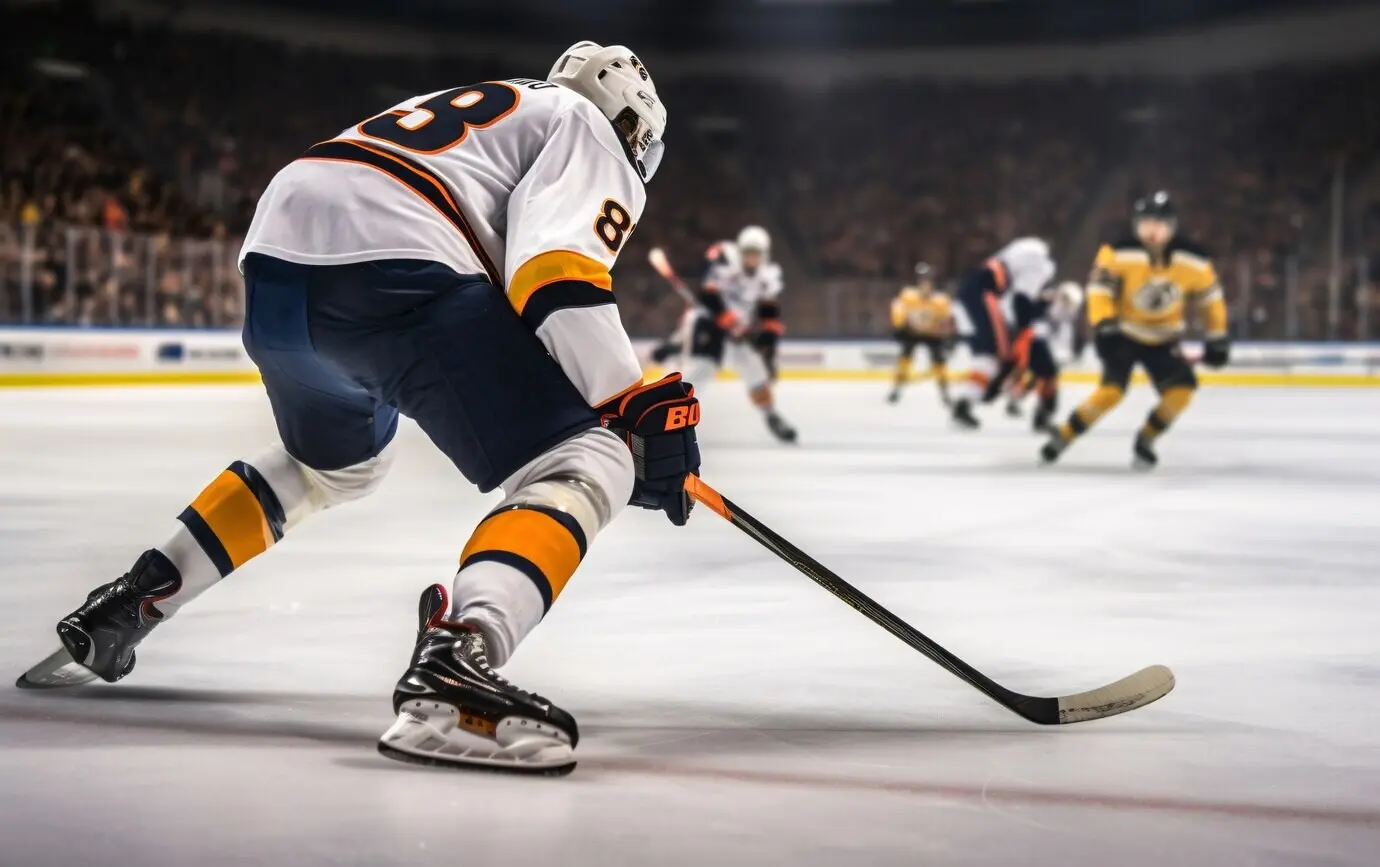
Off‑Ice Power and Mobility for First‑Year Hockey Learners
Today we dive into an off-ice fitness and mobility routine for first-year hockey learners, building strength, balance, and control before skates even touch the rink. Expect realistic drills, clear progressions, and simple cues that translate to smoother strides, stronger shots, and confident stops. We’ll keep equipment minimal, the learning curve friendly, and the spirit encouraging, so you can start immediately and feel tangible improvements within weeks, not months. Share your wins, questions, and tweaks—your journey helps others learn.

Start Right: Warm‑Up That Actually Prepares You
A great session starts with a warm‑up that raises temperature, activates key muscles, mobilizes tight joints, and potentiates skating patterns. Think RAMP, not random jogging. This approach reduces nervous first‑year stiffness and makes technique cues land faster. You’ll feel lighter on pivots, sharper on transitions, and more coordinated in stickhandling drills after only ten focused minutes. Consistency here saves energy and lowers risk—small habits that compound into confident skating.
Move Better: Mobility Where Hockey Needs It Most

Hips That Drive Stride Power
Prioritize 90/90 hip switches, couch stretch holds, and controlled hip CARs, breathing slowly to soften protective tension. Aim to feel the glute, not pinch the front of the hip. Keep the pelvis level and imagine driving ice away with a long, clean push. When Leon practiced this consistently, his crossover speed rose and his groin soreness disappeared. Power comes from space; give your hips room to do work.
Ankles That Speak to Your Edges
Deep dorsiflexion is the secret language of skating. Perform knee‑to‑wall ankle rocks and weighted tibialis raises, tracking the knee over the toes without collapsing arches. Each repetition should feel like unlocking a safer, deeper knee bend. That translates to stronger acceleration and more trustworthy stops. Tape a line on the floor, test how far your knee travels, and celebrate every small gain. Those centimeters become big confidence on ice.
Thoracic Rotation Without Low‑Back Stress
Use open book rotations, thread‑the‑needle, and foam roller extensions to coax movement from the ribs and upper spine. Place one hand on your belly to keep the lower back quiet and the motion honest. This frees passes, shots, and puck protection without cranking the lumbar area. New players often “muscle” turns with the lower back; teach your ribs to rotate and your shoulders relax, boosting accuracy and reducing fatigue during longer sessions.
Get Strong: Simple Lifts, Real Ice Results
Strength for first‑year hockey learners means mastering hinges, pushes, pulls, and carries with steady progress, not maximal loads. Focus on posterior chain power, anti‑rotation core control, and single‑leg stability that stabilizes knees during cuts. Two to three weekly sessions deliver impressive returns, especially when paired with mobility. You’ll notice quicker first steps, a steadier base on contact, and fewer tweaks after practices. Keep it simple, own positions, and add weight only when movement stays crisp.
Proprioception You Can Trust
Stand on one leg with soft knees, reach in multiple directions, and lightly tap cones without twisting the spine. Add a passing target or a simple toss‑and‑catch to layer decision‑making. The goal is quiet ankles and steady hips. If you wobble, reset and smile—this is your nervous system learning. Over time, shaky stabilizers become calm anchors, making quick changes of direction feel less chaotic and far more controllable.
Lateral Patterns That Carry to Crossovers
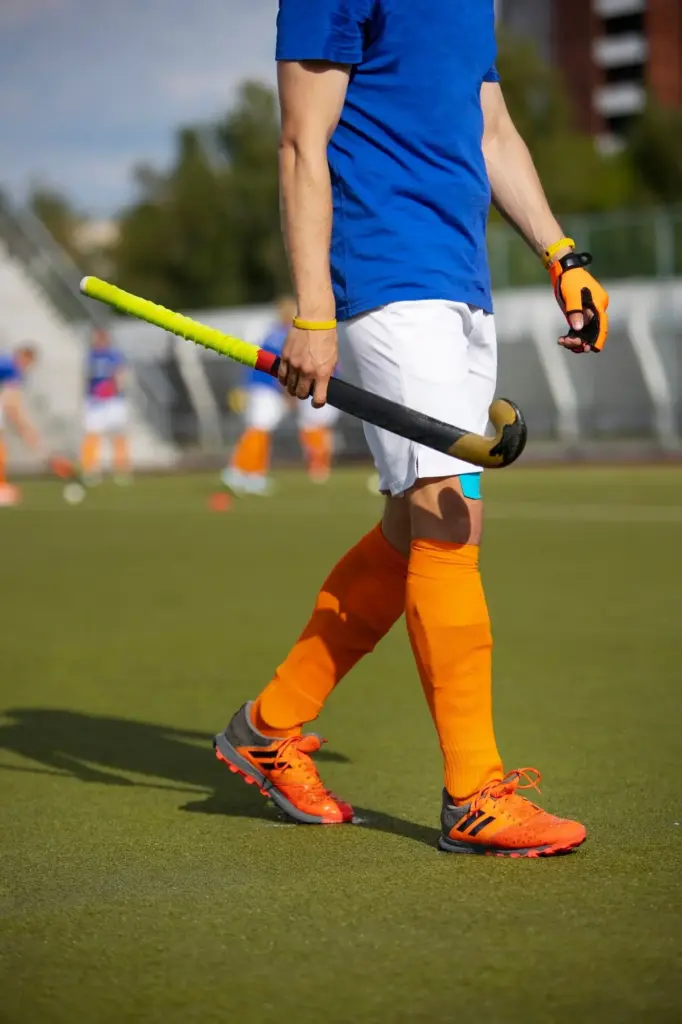
Practice skater bounds, mini lateral hops, and side shuffles with intentional stick‑free arm swings. Land softly, knees tracking well, and pause to own each position before the next hop. This teaches force acceptance, not just force production. Visualize carving across the ice as you move. When beginners add controlled pauses, their cuts stop collapsing and their crossovers feel organized. Control first, speed second, then blend both into confident rhythm.
Engine Work: Conditioning That Respects Skill Development
Skating quality collapses when conditioning smothers technique. Build an aerobic base for recovery, sprinkle in short anaerobic efforts, and finish with playful footwork that respects movement quality. This keeps learning intact while boosting stamina. First‑year athletes should leave sessions feeling challenged, not crushed. Track how quickly breathing calms and how steady your edges feel afterward. Conditioning is successful when tomorrow’s practice feels better, not worse. Train smart and let skill work shine brighter each week.
Aerobic Base That Supports Learning
Use twenty to thirty minutes of easy cycling, brisk walking hills, or light jump‑rope intervals where conversations remain comfortable. Steady oxygen supports brain learning and tissue recovery. Beginners who respect this zone arrive at the rink fresher and absorb coaching faster. Imagine collecting small coins of endurance daily; they pay for crisp reps during stickhandling drills and longer attention spans. Boring works wonders when paired with consistency and mindful breathing.
Short Bursts, Long Gains
Twice weekly, add six to eight rounds of twenty to thirty seconds of hard efforts—sprints, fast shadow skating steps, or high‑knee drives—followed by long, complete recoveries. Quality over misery is the rule. Watch posture and arm action, keeping mechanics clean under speed. This teaches you to punch powerfully, then reset calmly. Over a month, expect faster first steps and better composure, even when drills get crowded or uncertain.
Footwork That Honors Technique
Use ladder patterns, cone weaves, and V‑cuts emphasizing quiet landings and eye level up. Keep sets short to prevent sloppy mechanics, and finish wanting one more round. Blend cues like “hips tall” and “push the floor away.” This preserves good habits while raising heart rate. Coaches notice when footsteps grow lighter and turns look deliberate. Aim for clarity, not chaos, and your conditioning will feed skill instead of fighting it.

Cooldown and Breath That Reset the System
Spend five calming minutes: gentle walking, light hip and ankle flows, then three to five minutes of nasal breathing in a relaxed position. Feel ribs expand sideways and back, not just up. This quiets the nervous system, reduces tightness, and preserves mobility gains. New players who end sessions peacefully arrive fresher next time. Treat the cooldown like brushing teeth—boring, reliable, and powerful when practiced consistently across weeks of training.
Soft‑Tissue Care Without Overdoing It
Foam‑roll calves, quads, and glutes for short, intentional passes, pausing on tender spots for slow breaths. Then move—mobility sticks better after you stand and re‑pattern. Two to three short sessions weekly are enough for beginners. If a tool hurts, swap it for gentler pressure. The goal is comfort and circulation, not suffering. You’ll notice easier warm‑ups, kinder knees, and less tugging in the hips when you stride or stop suddenly.
All Rights Reserved.