
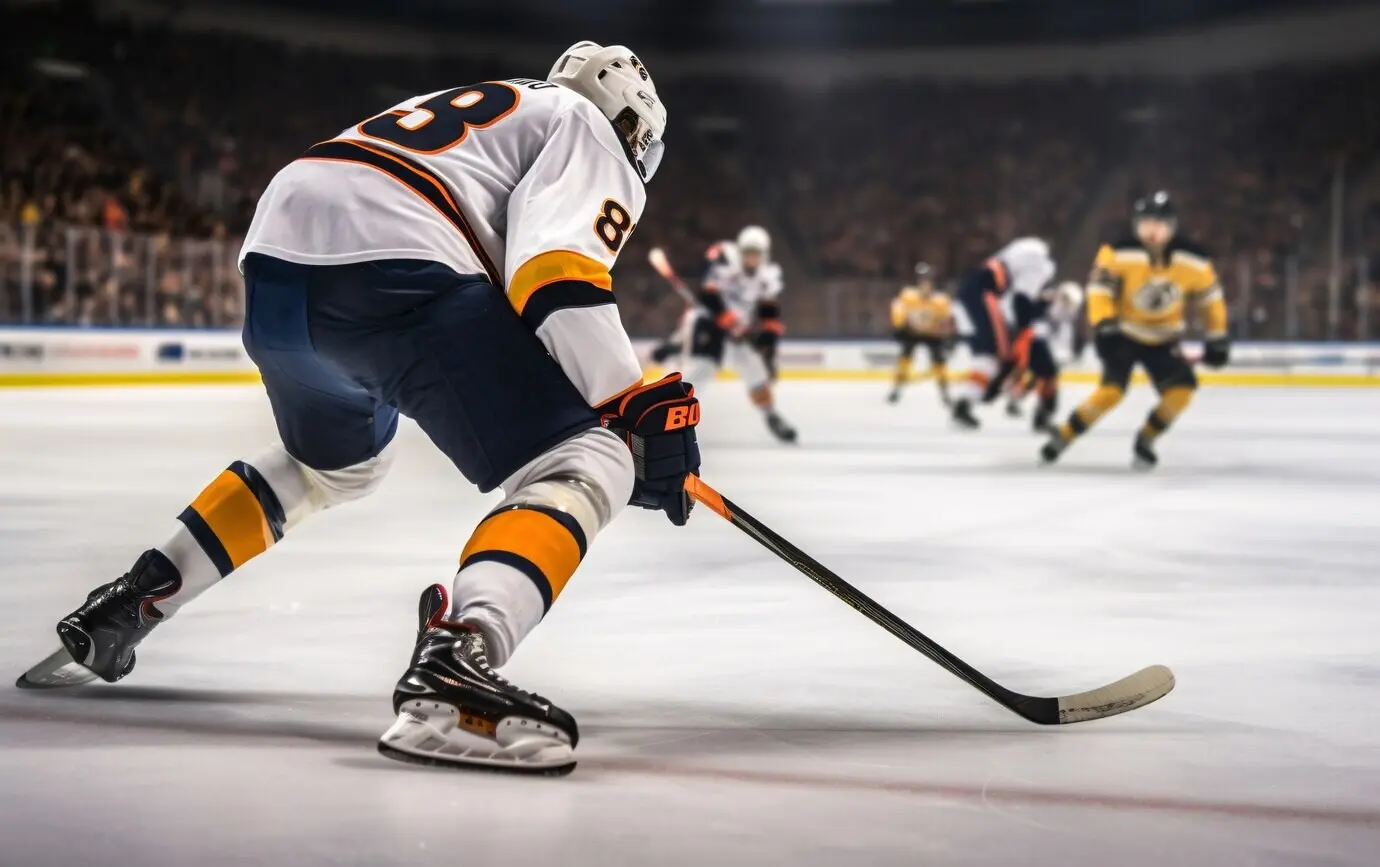
Start Ice Hockey as an Adult: A Practical Roadmap
Today we dive into an adult beginners’ roadmap to learning ice hockey from zero, turning anxiety into action with clear steps, honest expectations, and steady progress. Expect guidance on gear, first sessions, fitness, skills, and community, plus motivating stories from adults who laced up late and found joy, friends, and confidence along the way. Share your questions or wins so we can cheer, troubleshoot, and keep you moving forward together.
Gear That Fits, Protects, and Helps You Learn
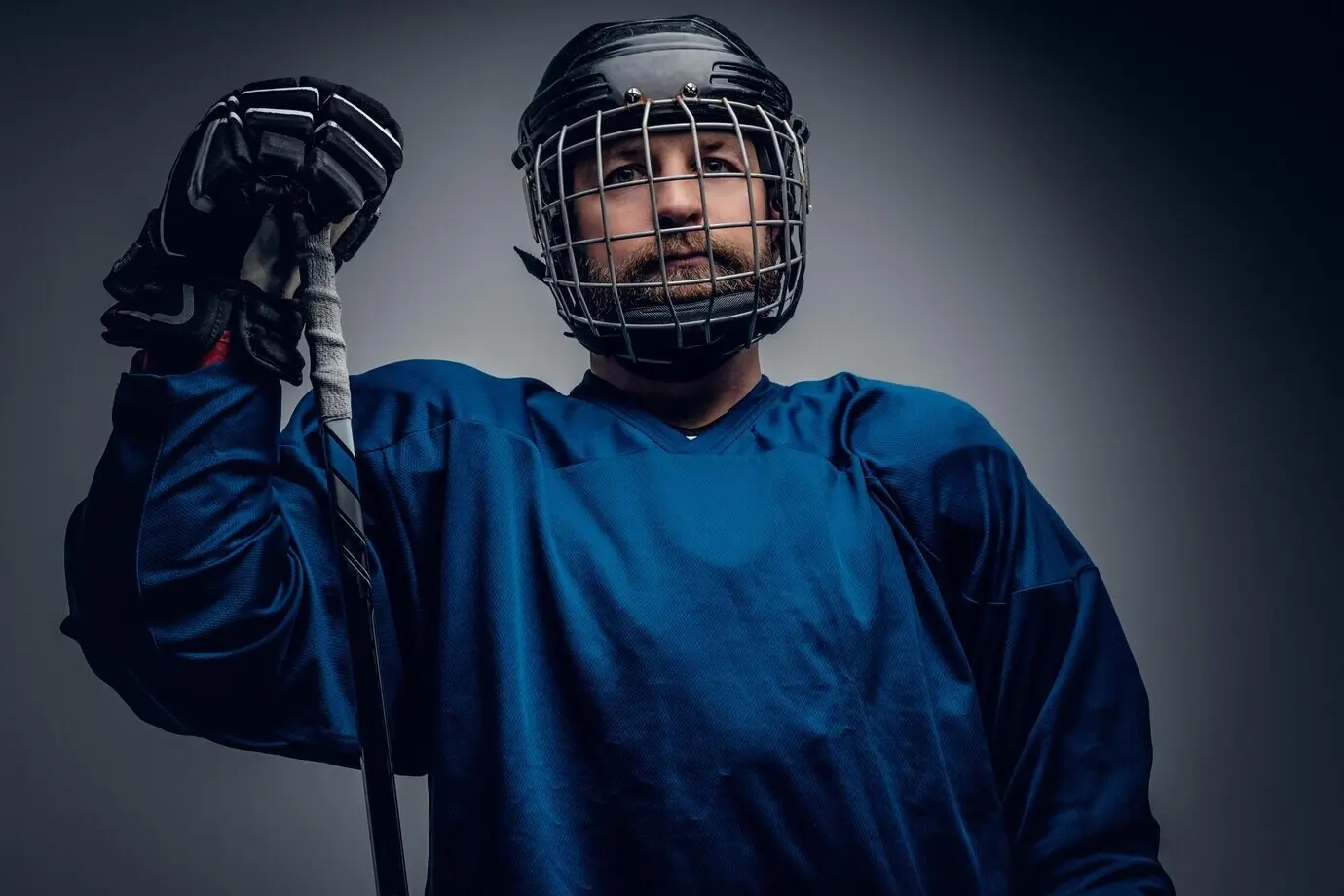
Good equipment removes distractions and keeps you safe while your brain and body adapt to new demands. Start with fit, not fancy branding, and prioritize skates, helmet, and gloves. Used gear from trusted shops often beats shiny but ill-fitting sets. Many adult rookies improve instantly after a proper skate fitting and basic profiling. Ask teammates to check your chinstrap, cage height, and cuff mobility. Comfort plus protection equals confidence, which unlocks real learning speed.
First Steps on the Ice: Balance, Edges, and Stride
Your opening sessions should be short, focused, and kind to your body. Expect wobbles, celebrate tiny wins, and rest before fatigue wrecks form. Build comfort with quiet glides, knee bends, and edge awareness near the boards. A 42-year-old accountant told us the most empowering moment was mastering a calm stop at half speed—proof that predictable control beats rushed chaos. Video yourself briefly to notice posture, ankle bend, and arm carry. Progress likes patience.
Your First 60 Minutes Plan
Start with five minutes of off-ice ankle rocks and hip hinges, then lace up and step on with a gentle wall glide. Practice marching steps, knee bend holds, and two-foot balances. Add five-meter glides with soft knees and relaxed shoulders. Introduce snowplow pressure slowly, feeling both edges bite evenly. Alternate focused reps with easy laps. End with a confidence drill: controlled start, glide, soft stop, reset. Leave the ice wanting more, not exhausted.
Falling Safely and Getting Up with Ease
Falling is part of learning, so practice it deliberately. Tuck your chin, exhale, and let pads absorb impact, sliding on forearms or hips rather than stiff wrists. To stand, roll to knees, place one skate between hands, and push up through your laces. Repeat until smooth and automatic. Many adults report fear shrinking after ten safe falls on purpose. Mastering recovery keeps sessions flowing, reduces injury risk, and removes the dread that slows experimentation.
Glide, Stops, and Crossovers Without Panic
Find a calm glide by stacking ears over shoulders and shoulders over hips, with soft ankles and quiet hands. For stops, start with shallow snowplows, then gentle hockey stops on your strong side before practicing the other. Crossovers begin as sideways steps with rhythm, not speed. Use the boards for initial balance, then drift into open space. A slow metronome pace helps. When panic rises, downshift intensity, breathe out, and return to drilling your best rep.
Stronger, Safer, Fitter: Conditioning for Adult Players
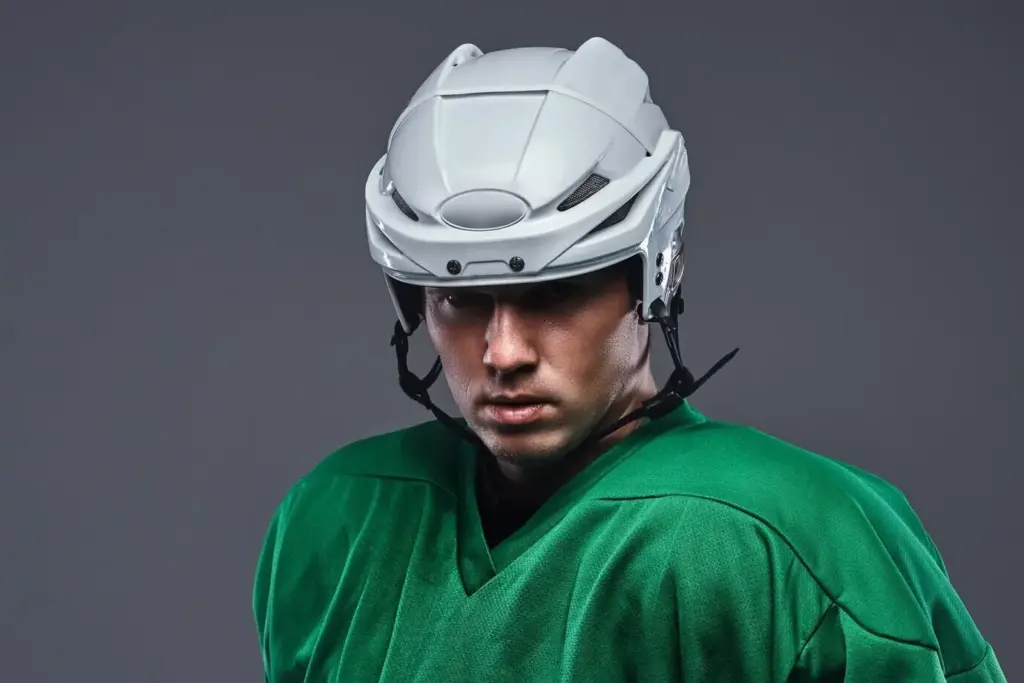
Skating fitness is unique: intervals, edges, and torso stability rule. Adults benefit from joint-friendly strength, brisk conditioning, and dedicated recovery. Prevent overuse with mobility before intensity, and build volume gradually. A 50-year-old newcomer cut post-skate soreness by half after adopting focused warm-ups and gentle cooldown walks. Train hips, hinge, and anti-rotation patterns to protect your back. Respect sleep, hydration, and protein so practices feel energizing, not punishing. Sustainable fitness turns learning into lasting enjoyment.
Warm-Up and Mobility That Prevents Tweaks
Use five to eight minutes: ankle rocks, calf pulses, deep squat pries, lateral lunges, and thoracic rotations. Add gentle hip airplanes against the boards to simulate edge balance. Finish with two stride-outs focusing on knee bend and arm swing rhythm. This sequence reduces stiffness, opens range, and wakes stabilizers that keep you upright. Many adults report wobble-free first laps after consistent warm-ups. Small rituals prevent big setbacks, especially when workdays leave you tight and rushed.
Strength Training that Respects Joints
Prioritize patterns over heavy numbers: split squats, hip hinges, step-downs, rows, and anti-rotation presses. Use tempos and pauses for challenge without joint strain. Two or three short weekly sessions can transform stability and stride power. Keep core work dynamic with dead bugs, side planks, and suitcase carries. Finish with gentle hamstring sliders. Track soreness and adjust loads, protecting recovery after late-night skates. Strong doesn’t mean wrecked; it means resilient, coordinated, and ready to learn tomorrow.
Mindset and Motivation: Learning Later Without Fear
Adult learners bring patience, self-awareness, and life experience. Those strengths matter on the ice. Embrace beginner status as an advantage: you ask better questions, pace yourself wisely, and celebrate progress thoughtfully. Expect plateaus and design rituals to move through them. A 39-year-old nurse wrote three wins after each skate—sometimes just “stood taller” or “smiled longer”—and noticed confidence compound. Share your milestones or frustrations in the comments so others learn from your path and cheer you on.
Find Your People: Clinics, Drop-Ins, and Leagues
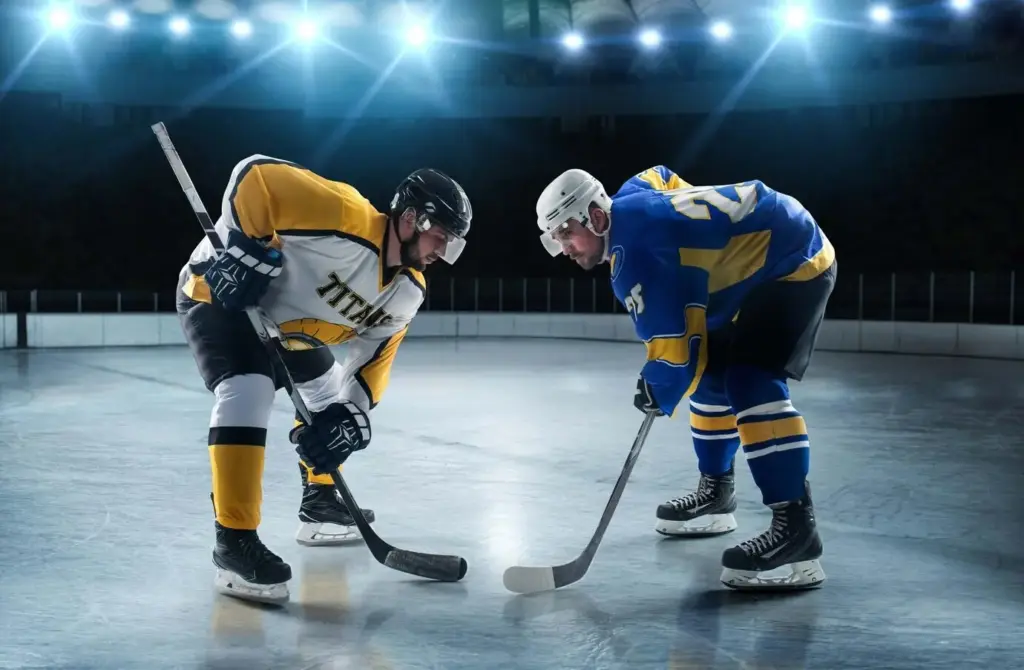
Supportive communities make adult beginners unstoppable. Look for coaches who demonstrate slowly, offer progressions, and celebrate effort. Beginner clinics, stick-and-puck sessions, and friendly draft leagues provide structure without pressure. Ask rinks about adult start-from-zero programs and loaner gear options. Introduce yourself to staff; they often remember names and steer you toward welcoming groups. Comment with your city and schedule so readers can meet up. Shared ice time builds friendships that outlast any single practice or season.
Choosing a Class that Actually Starts at Zero
Scan for programs labeled learn-to-skate or adult development with explicit prerequisites listed. Ask about coach-to-player ratios, progression plans, and how they handle different speeds on one sheet. A true beginner-friendly group separates stations by skill, not age or bravado. Observe one session if possible, noting patience, repetition, and smiles. Talk to current participants about their first month. If it feels kind and organized, you’ll show up consistently—and consistency is the secret advantage for late starters.

Locker Room Etiquette and Unwritten Rules
Arrive early, claim a modest spot, and keep your gear tidy. Tape sticks over your towel, not someone else’s bench space. Offer to help with nets or pucks. Ask before jumping into drills or lines. Keep jokes inclusive and volume respectful. Thank the organizer and goalie—always. When unsure, observe and imitate the calmest veteran. Good etiquette earns you allies, extra pointers, and invitations to fun skates. Culture matters as much as mechanics when building lifelong enjoyment.

Your First Game: Checklist and Calm
Pack the night before: water, extra laces, two sticks if possible, small first-aid kit, and a spare mouthguard. Eat a light, familiar meal, and arrive early to stretch and tape calmly. Ask a teammate about line changes and bench flow. On your first shift, prioritize positioning and simple exits over hero plays. Smile between whistles, breathe slowly, and look for one clean pass each shift. Afterward, share one highlight below. Your story will encourage the next newcomer.
All Rights Reserved.